

Unplugged #20: Analogue11, a creative wellspring, from the Gothic to the divine, and memory on fire
Yes, it’s been yet another Alps-based personal creative revolution.

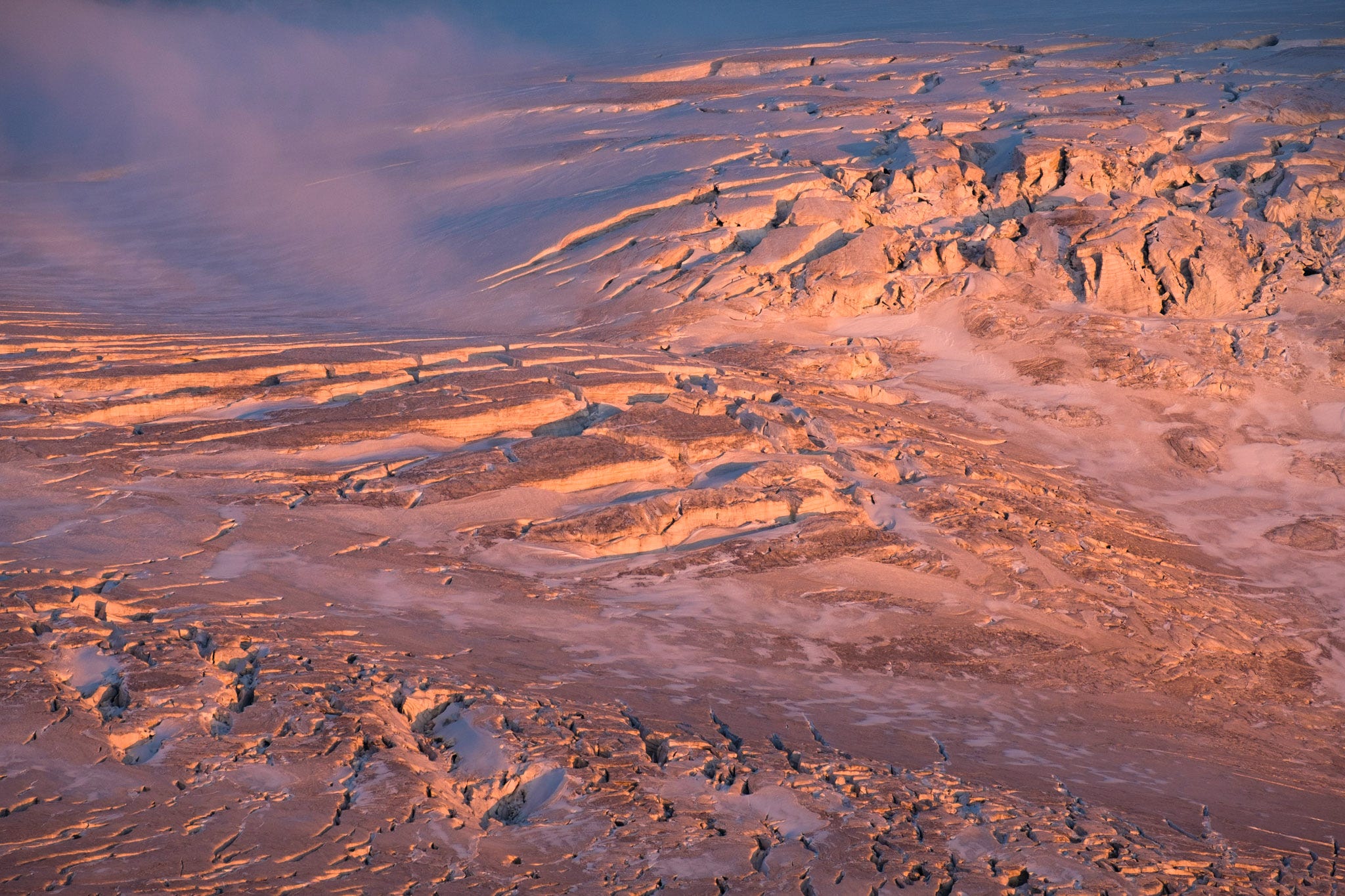
For those of you who prefer to read on paper (or e-reader) rather than in your Substack or email app, I have converted this essay into an easily printable PDF.

Before I begin, a quick announcement: I am exhibiting photographs in the Analogue11 exhibition, Kingussie, Scotland. The opening night is Friday, September 19th, 2025 – that's next Friday – and doors open at 18.30. Please do drop by and say hello if you’re in the area. The show runs until October 17th.
Now on with the regular programming.
I won’t write the full story today, but the Aosta Alta Via 1 was one of the best routes of its type I’ve done. Plenty of time up high on some impressive rocky ridges meant exposure to thunderstorms, but a few days of sunshine in the middle of the trail made up for that. The final col before joining the Tour de Mont Blanc offered a good old-fashioned thrashing in pouring rain and low temperatures.
During this trip, I came to a decision: I need to start prioritising my personal writing again. Stop making excuses, and crack on with writing another book. Even better, I found myself brimming with ideas. I know, you’ve heard it all before, but I have a solid plan in place to reclaim the time I used to spend writing books – time that gradually got squeezed out by other things.
These are books I’m excited to write, too, both fiction and non-fiction. After several years I am once again actively working on a sequel to The Farthest Shore, and work continues on Brightened Earth, which I've been picking at for eight years now. More on all this in due course.
The motivation has got to come from within, but I think it helped that I spent my nine days hiking in a very offline, analogue manner. The phone stayed off in my pack most of the time. I navigated with and wrote on paper. Barely used any electronics at all, and as always it felt so much richer, deeper, and simpler. So much better in every possible way.
Another factor is that, after I completed my trail, I arrived in Chamonix to spend some time with the Like the Wind crew for UTMB (the Ultra-Trail du Mont Blanc). Congrats to our creative director Alex Murphy who completed his UTMB early on Sunday morning – I was right there at the finish line to welcome him in.
Chatting with like-minded creative people always inspires me, and I also got to catch up in person with my friend
for the first time in a while. We’ve been supporting and encouraging each other’s writing for years, but the joke is that she’s C.S. Lewis and I’m J.R.R. Tolkien (as in ‘I need to spend a decade worldbuilding before I can start writing The Lord of the Rings’).However, as I mentioned earlier, ultimately the motivation for writing must come from within. So it’s time to get to work.

From my desk
Working on right now
Sidetracked Volume 34. As is so often the case, a lot of pieces all came to fruition at once, so I’ve been busy getting them across the line over the last week.
Like the Wind issues #47 and #48. #47 is shaping up to contain some cracking work on UTMB.
The Analogue11 exhibition. Can’t wait to show my images.
New books! And yes, I have spent several hours working on them this week.
I’ve just sent 17 rolls of 35mm film (!) off to my lab for processing, so I’ll probably still be scanning them at Christmas.
Recently published
Call of the Mountains, Sidetracked Beyond
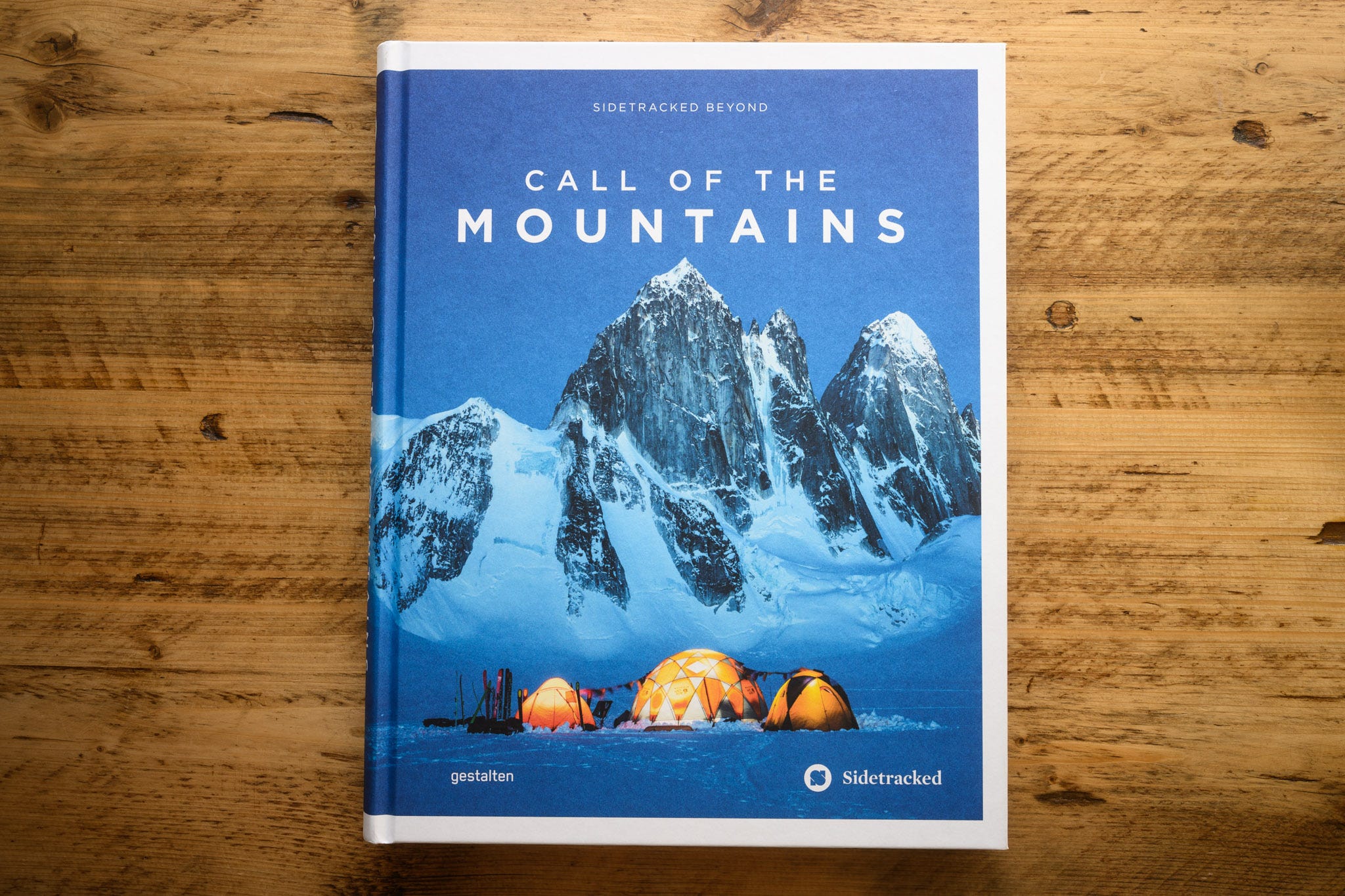
Our second book collaboration with gestalten is out now! The Beyond series is a compendium of the very best of Sidetracked magazine, adapted for a new medium (and in many cases with new photos). It was such a pleasure to work on some of my all-time favourite Sidetracked stories once again – and there's new work in here too. This time our theme is the magnetic pull of mountains.
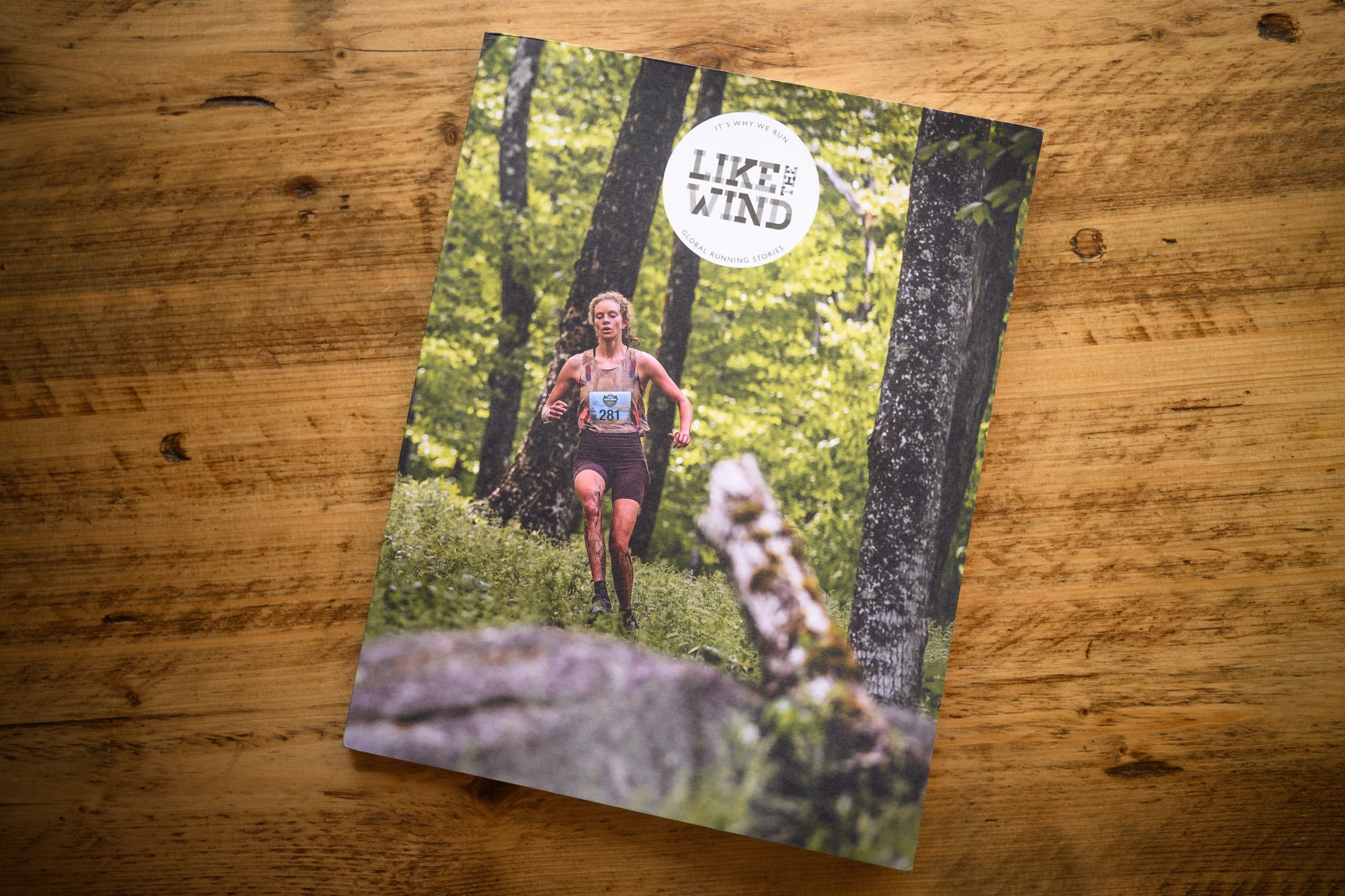
This issue of Like the Wind explores some important topics in the world of running right now – not least whether running’s explosive growth is actually working for everyone. The main feature by Micah Ling, ‘Performance, Pay, Power’, asks a key question: is capitalism why we can’t have nice things?
The Great Outdoors, October 2025 issue
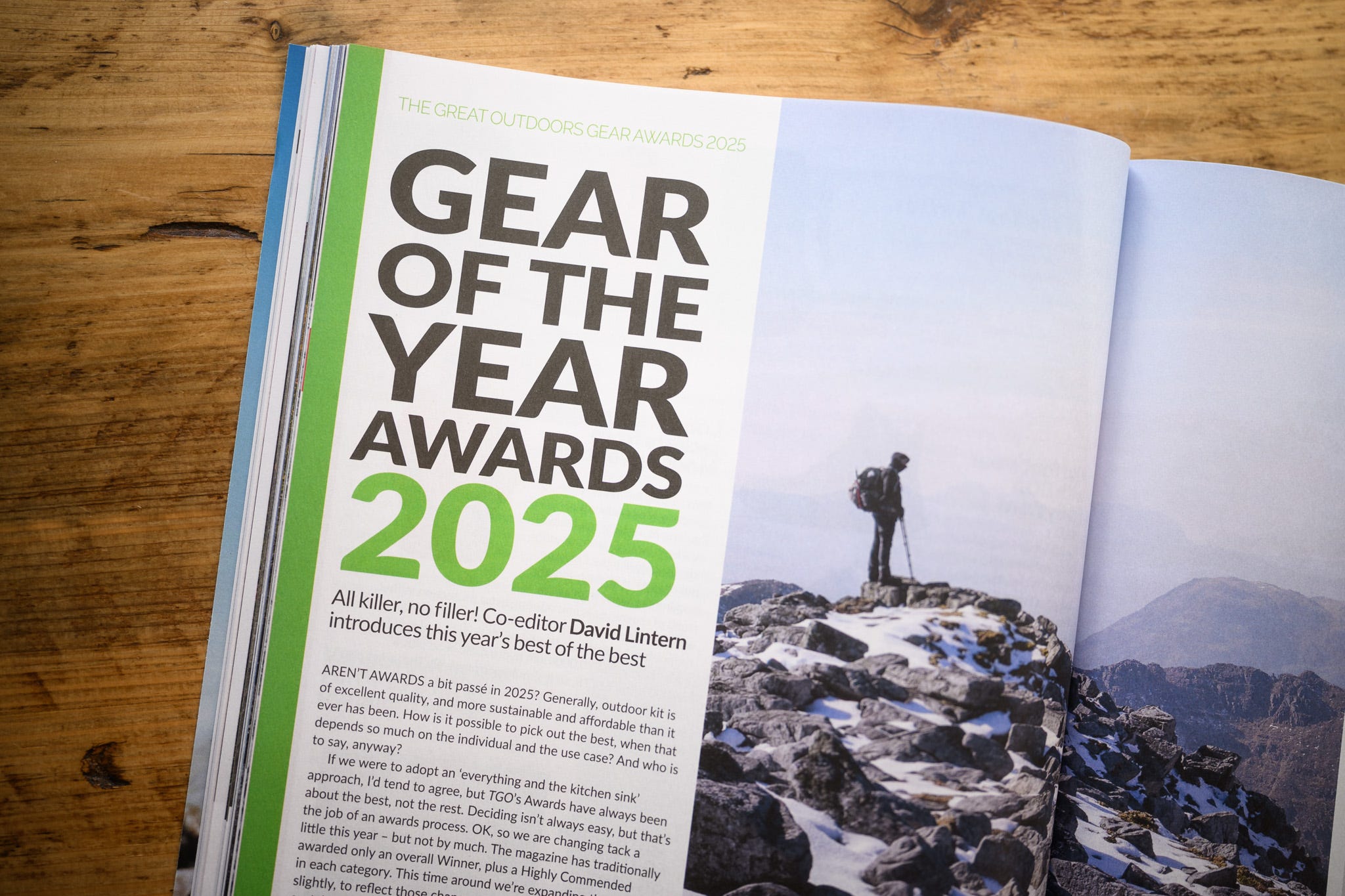
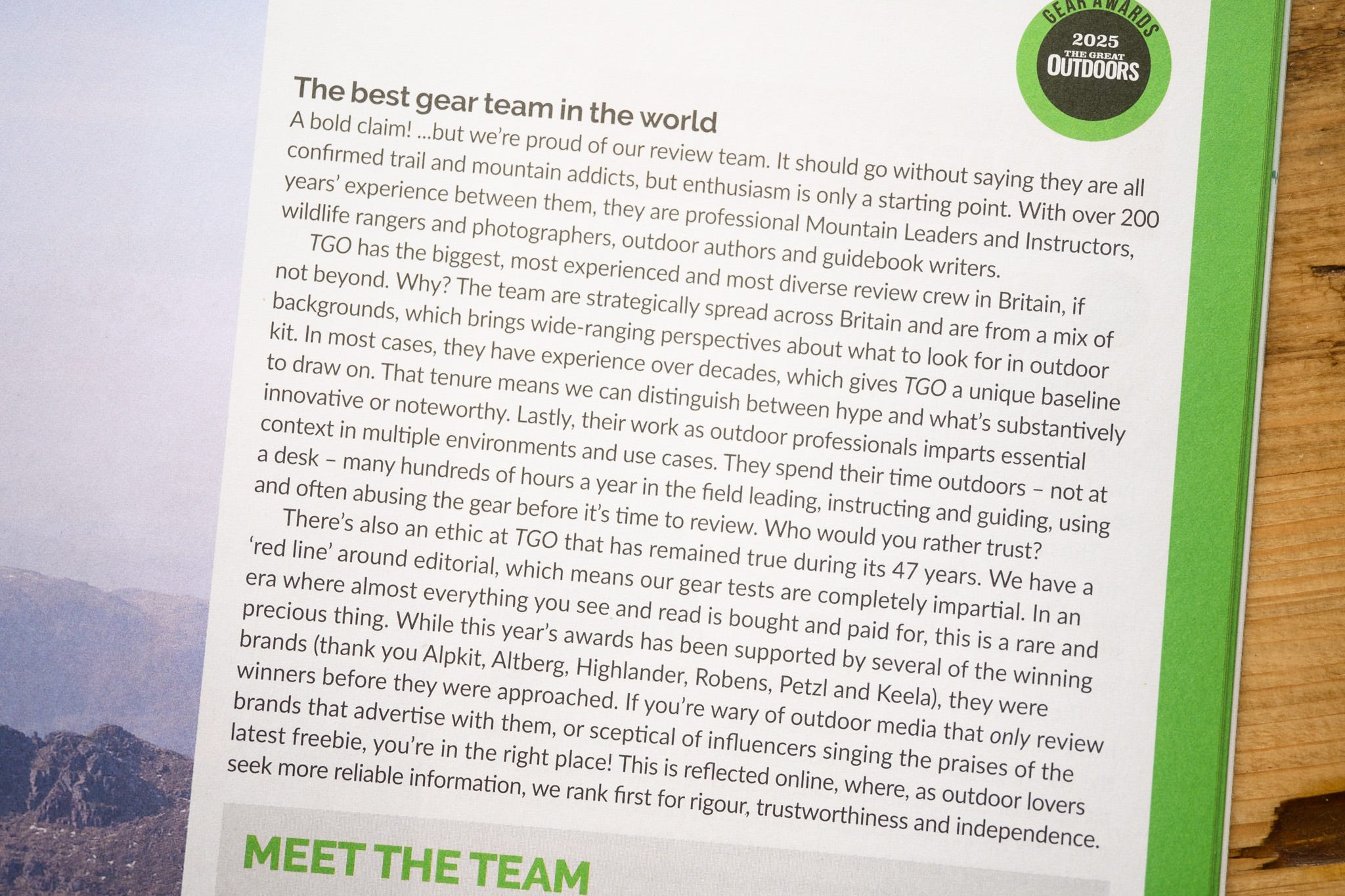
This month my contribution comes as part of the judging panel for the annual Gear of the Year awards. It’s been a busy year of testing outdoor gear, with plenty of interesting pieces on test, and the awards are always a good opportunity to take stock and look back on some highlights. The superb Danner Mountain Light boots got my Highly Commended, and deservedly so.
It’s worth lingering on David Lintern’s section about ‘the best gear team in the world’. As he points out, it’s a bold claim, but backed up by facts.
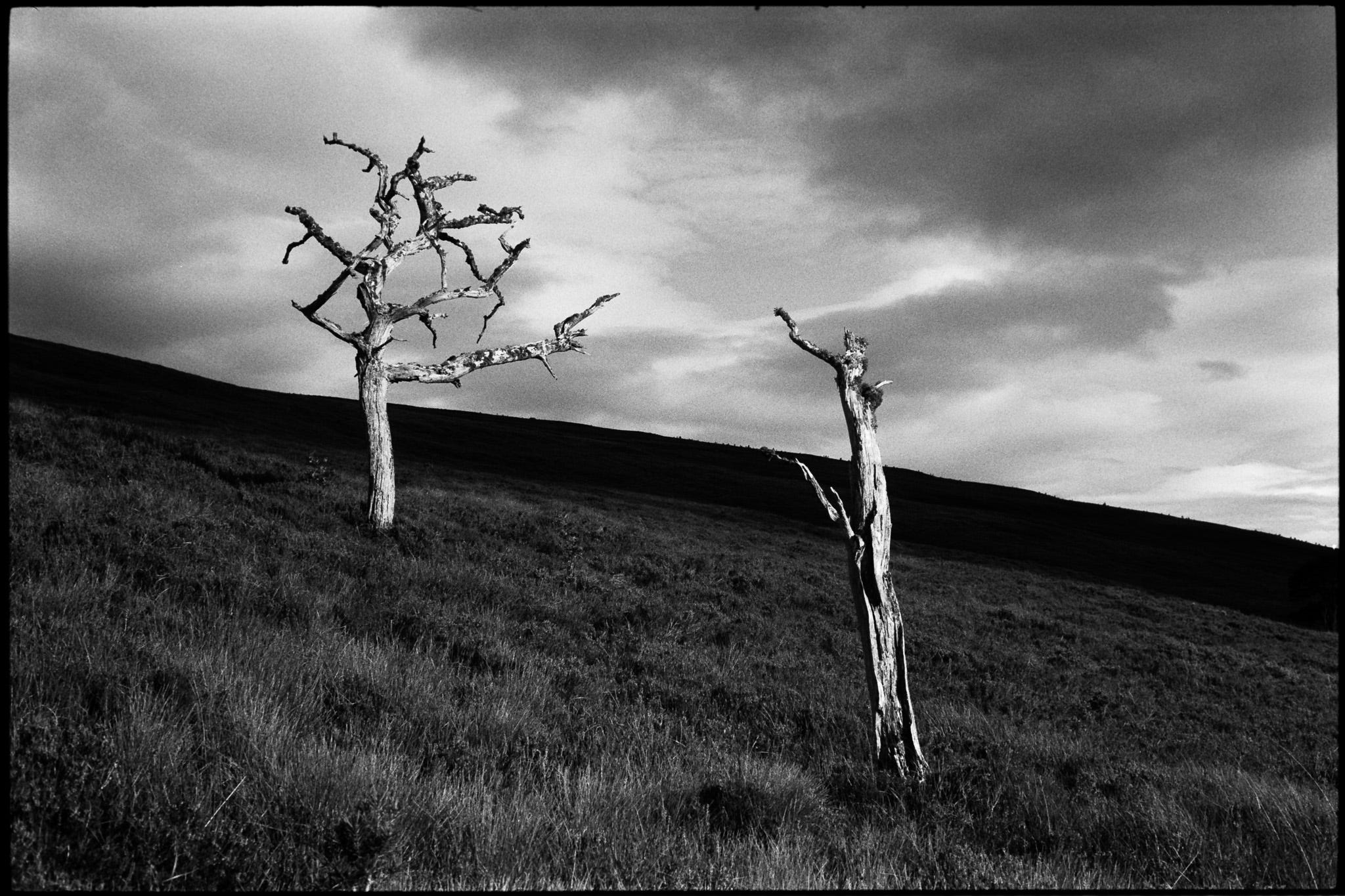
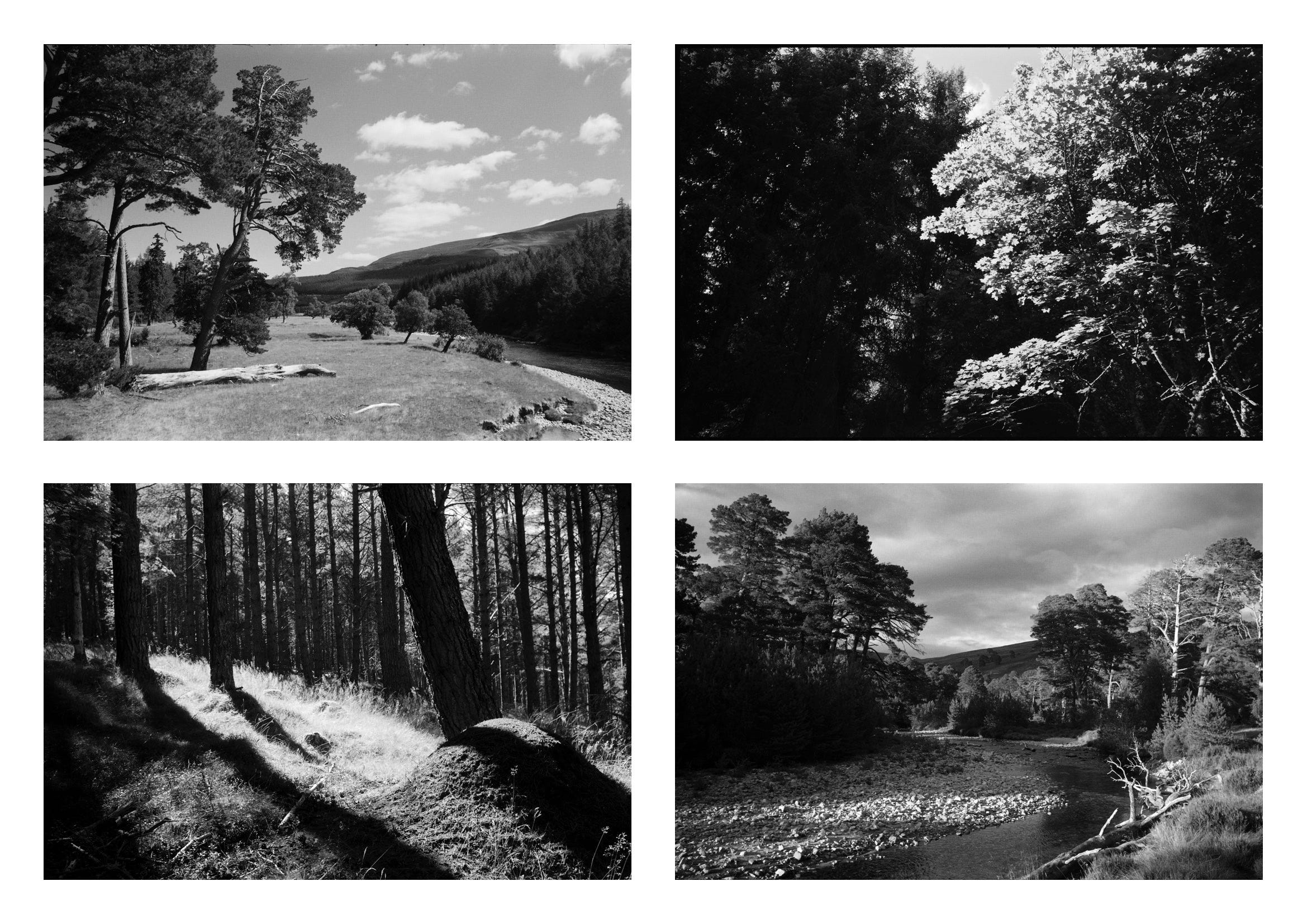
Recently processed film images
A few frames from around Glen Derry in the Cairngorms. Leica M3, Ilford FP4+.
Art
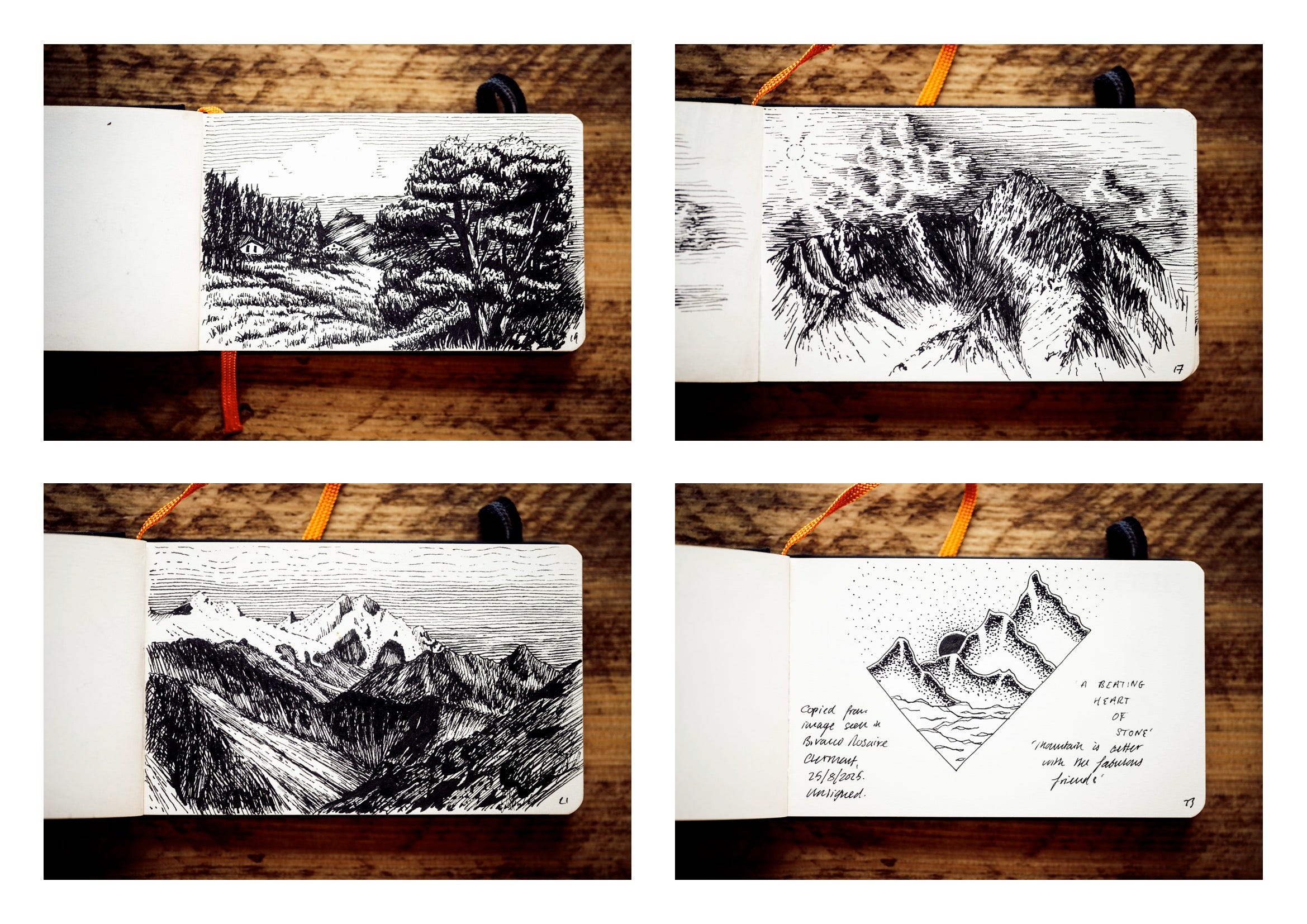
I did some drawing in the Alps! But not as much as I expected. Often when I sat down for my lunchtime siesta the view or light wasn’t quite right, or the weather didn’t behave. Still, I’ve gathered some great material for future wood engravings or bigger drawings. Here are a few of my sketches.

What I’ve been reading
Books
On the journey to the Alps I re-read The Great Gatsby by F. Scott Fitzgerald, and found myself once again pulled back into its richly depicted world of unattainable dreams and lost youth.
On the way back I made a start on my latest re-read of Frankenstein by Mary Shelley – one of the first novels I can remember reading as a child (which probably explains a lot, tbh). The book was on my mind as I paced the trails above Chamonix and gazed with my friends down at the wreckage of the Mer de Glace, wondering where all the ice had gone.
Frankenstein is a masterpiece in many ways and much more than just a monster story. However, if I’m being honest, the book’s many narrative problems have grown more obvious to me over the years. And, by golly, Victor is a colossal halfwit at times, isn’t he? The book is, however, eternally relevant. Probably even more now than it was in 1818 (although I’ve written before about how our present moment is uncannily similar to that tumultuous time). It ties in with so many of the ideas that preoccupy me these days.
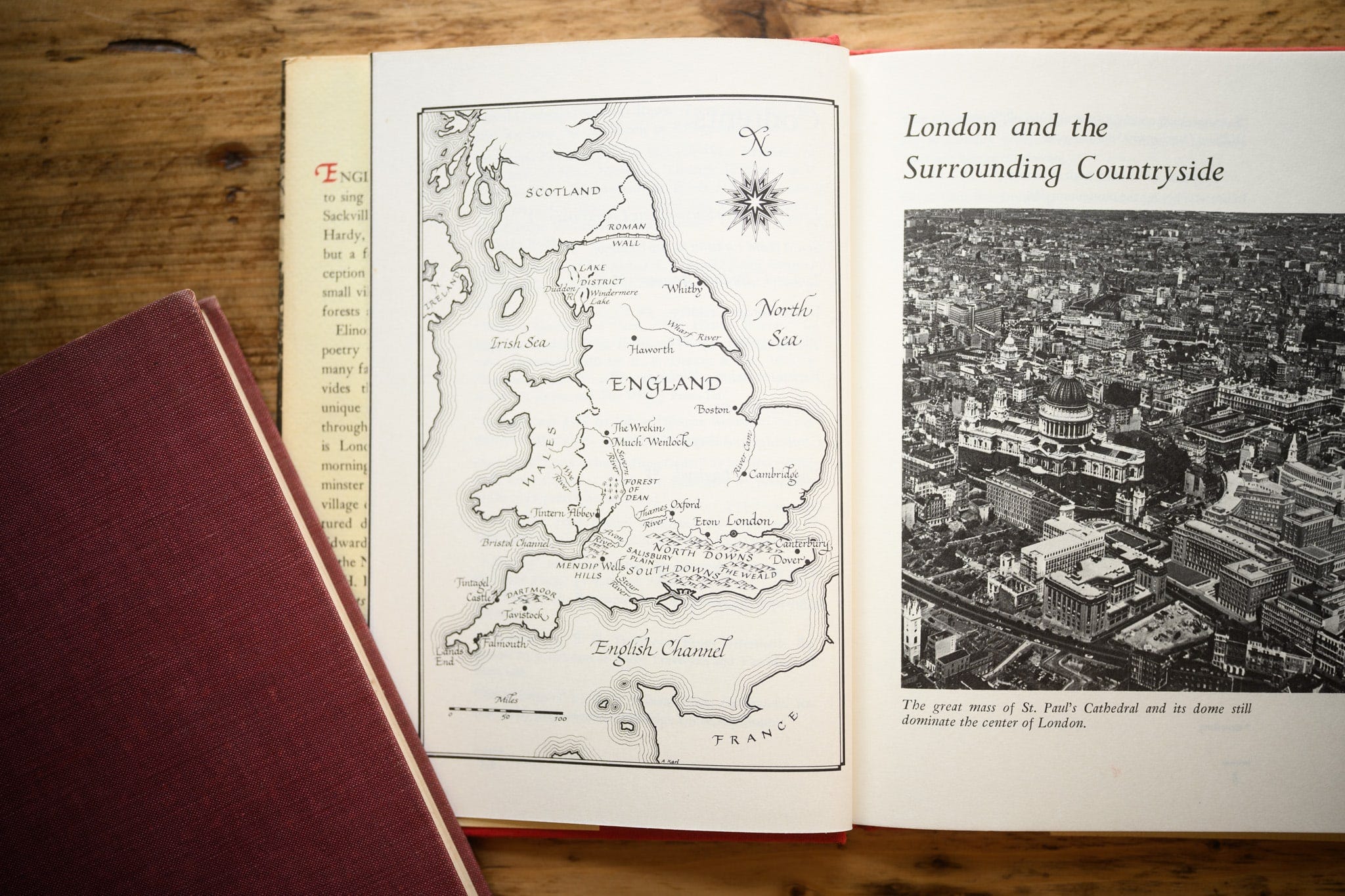
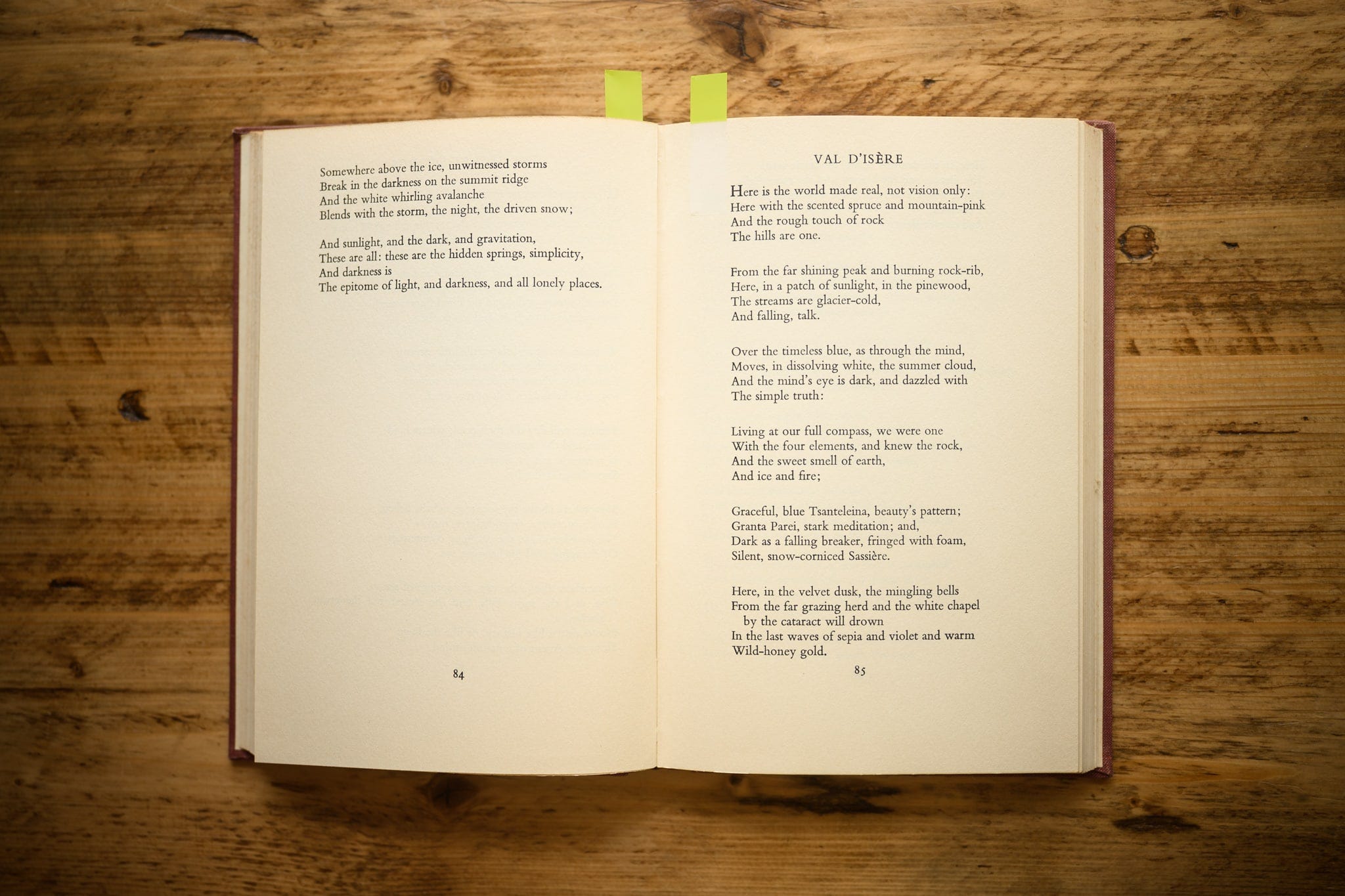
Also – poetry! I picked up a copy of Poets & the English Scene compiled by Elinor Parker because I liked the typography and the beautiful hand-drawn map. Sadly the collection of poems is mostly insipid. It does contain a poem by Michael Roberts, though, and Michael Roberts is one of my favourite poets, so not a complete loss. Following this particular thread, I finally bought myself a copy of Collected Poems by Michael Roberts (1958) and immediately sought out my very favourite of his poems.
Over the timeless blue, as through the mind,
Moves, in dissolving white, the summer cloud,
And the mind's eye is dark, and dazzled with
The simple truth:
Living at our full compass, we were one
With the four elements, and knew the rock,
And the sweet smell of earth,
And ice and fire
Oh my. It gets me every time.
From the web
Anna Sheftel writes for
on solastalgia and shifting baselines, asking if there can be any experiences of nature that are not tarnished by climate anxiety. I empathise with this point of view. However, I also look ahead. On a long enough timescale our pesky human mess will once again be swept away and the ice will come back, and there’s a strange comfort in that for me.The reality of nature tourism in this era of climate crisis is that every gasp at impossibly turquoise waters is filled with a sense of grief, the feeling that it is disappearing, a fading photograph.
on the outdoors and spirituality, and how our relationship with mountains and wild places is so broken that we desperately cling to soulless Enlightenment concepts that fail to nourish us – while exoticising nature-based spirituality of other cultures. I for one will always prefer pilgrimage to performance, and if the divine can’t be found at dusk on a snow-blasted Scottish mountain top in February then where can it be found?As breathtaking as the landscape was, we were still engaging with it transactionally, for how it made us feel. Nature tourism does not inherently obligate reflection on what the land means.
has linked to an important new paper that pulls no punches in urgently calling for a halt to the rollout of AI in education. In the last week alone I’ve spoken to two different educators I know who have seen a massive decline in critical thinking amongst students who use AI. I think we’re seeing a consensus starting to form, and it’s bleak.Western rationality has been elevated as the highest form of thought, the gold standard by which everything else is judged. Spirituality tied to land is tolerated only when it appears in places we’ve already decided are “exotic.”
Related: Is Google Making Us Stupid? from Nicholas Carr, and On the Reverse Flynn Effect from Cal Newport.
📸 Manual Focusing in the Dark: SLR vs RF
Johnny Martyr is a wizard of low-light manual rangefinder photography, and living proof that automation has limited use for people who have already mastered a creative skill. But this piece is about much more than technical photography chat. There’s philosophy here too:
I shoot manual focus film cameras in low light without a flash because I don’t like to make a thousand technically perfect photos that have little or no soul. I much prefer making a couple hundred organic images that not only say something about the scene but also say something about the shooter and the emotional relationships of everyone involved in a photograph.
Digital shooters can add fake film grain to digital images all they like, but this only separates us even further and deepens the lie that their images are telling. Film photography with manual cameras is just more honest because it can exhibit the practices, efforts, instincts and intentions of the photographer in a way that servos and software are completely divorced from.
In other words, as I’ve been saying for a while, our present moment requires that artists pour themselves into their work with all their hearts. And for that human presence to be luminously, joyously visible. The process is more important than the end result. These things matter if the human spirit is to survive.

That’s all, folks
If you like what you’ve read, please subscribe to receive updates in your inbox and Substack app. Thanks for your support. And if you’ve enjoyed what you have read, please tell someone else about it!
Images and words © Alex Roddie. No AI has been used in the creation of any work on this page. All Rights Reserved. Please don’t reproduce this material without permission.
Aosta Alta Via 1 looks epic. Would love to read your write up of this!
We plan to be at the launch at Ed’s in a week. So hopefully meet you then, Alex.